





Iron vs Steel: Understanding the Difference and Why It Matters in Thailand’s Industrial Sector
Feb 1, 2026
Steel is one of the most important industrial materials in Thailand’s economy, supporting construction, manufacturing, infrastructure, automotive production, machinery, and fabrication industries. However, many buyers still focus primarily on price when purchasing steel products, while overlooking technical standards, certification requirements, and material traceability.
As Thailand’s industrial regulations become stricter and project requirements become more technical, understanding Thai steel standards is increasingly important for contractors, manufacturers, distributors, and end users.
This article provides a practical overview of Thai steel standards, explains why they matter, and outlines what customers should look for before purchasing steel products in Thailand.
Steel standards exist to ensure that materials meet minimum requirements for:
Without proper standards, steel quality can vary significantly between suppliers. Poor-quality materials may result in:
For construction and industrial applications, steel is not simply a commodity—it is an engineered material that must perform consistently under specific operating conditions.
Thailand regulates industrial product quality through the Thai Industrial Standards Institute (TISI), operating under the Ministry of Industry.
TISI issues Thai Industrial Standards, commonly known as TIS standards, which define technical requirements for products sold and used within Thailand.
Some standards are voluntary, while others are mandatory depending on the product category and application.
For steel products used in structural or public infrastructure applications, compliance is increasingly important.

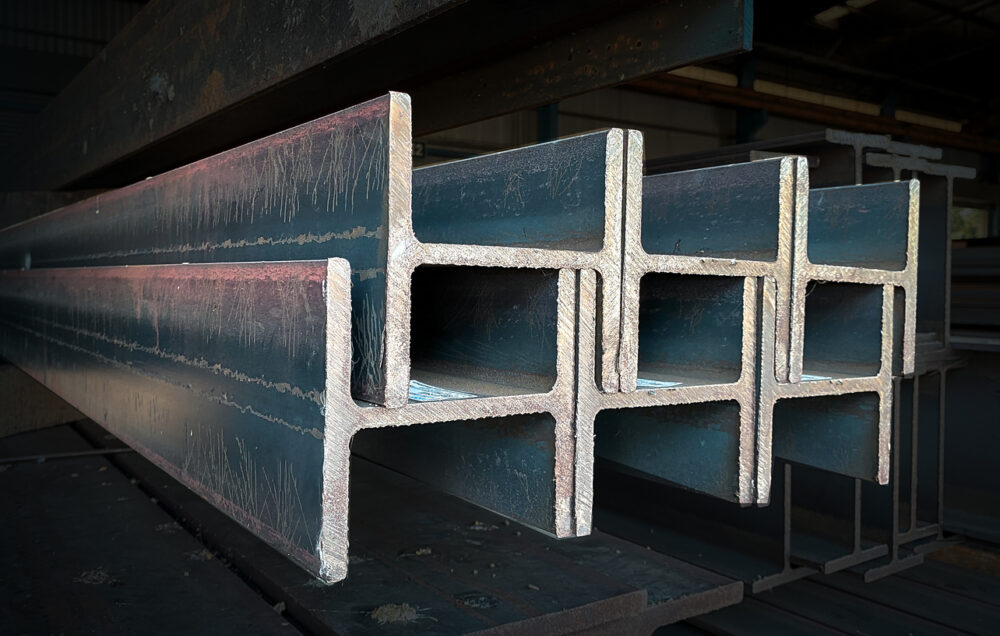
Hot-Rolled Flat Steel for General Structure
This standard applies to structural flat steel products such as:
The standard specifies:
This is particularly important for buildings, industrial structures, and fabricated steel works.
Carbon Steel Tubes for General Structure
This standard covers:
used in engineering and construction applications.
The updated version strengthens quality control requirements and expands compliance expectations across product sizes.
Customers should ensure that structural steel tubes comply with TIS certification requirements before use in regulated projects.
Reinforcing bars used in reinforced concrete structures must comply with relevant TIS requirements for:
Substandard rebar can significantly affect structural safety and long-term durability.
One of the most important purchasing considerations is whether the product comes from a certified and traceable source.
Although non-certified materials may appear cheaper initially, they often increase long-term project risk.
Customers should first identify which standard applies to their intended application.
Examples:
Using incorrect material grades can create compliance and engineering issues.
A Mill Test Certificate confirms:
MTCs are critical for:
Professional suppliers should be able to provide this documentation.
Proper steel products should include identifiable markings such as:
Traceability helps verify authenticity and quality consistency.
This becomes especially important in infrastructure and government projects.
Not all steel products are equivalent, even if dimensions appear similar.
Different grades provide different:
Customers should avoid selecting materials based solely on thickness or appearance.
Reliable steel suppliers typically provide:
In today’s market, supplier reliability is becoming as important as product pricing.
Thailand’s steel market is becoming increasingly specification-driven due to several factors:
Government projects increasingly require certified materials and full documentation.
Automotive and manufacturing supply chains require stricter material consistency and traceability.
Contractors and developers are paying greater attention to structural quality and long-term performance.
Authorities are increasing enforcement on substandard and non-compliant products.
These trends are pushing the market toward higher technical discipline.
Different steel grades and production methods produce very different performance outcomes.
Lower-cost materials may increase:
Strength depends not only on thickness, but also on:
Understanding these differences improves purchasing decisions.
Thailand’s steel industry is gradually transitioning toward higher-quality and higher-accountability supply chains.
Future purchasing decisions will increasingly involve:
Customers who understand steel standards are better positioned to:
As industrial requirements become more advanced, technical knowledge is becoming a competitive advantage across the steel value chain.
Steel standards play a critical role in ensuring safety, reliability, and long-term performance in Thailand’s construction and manufacturing sectors.
For customers, purchasing steel should not focus solely on price. Proper verification of standards, certification, traceability, and supplier credibility is essential to ensuring material quality and project success.
As Thailand moves toward stricter industrial regulation and higher technical expectations, understanding steel standards will become increasingly important for every stakeholder in the supply chain.
Companies that prioritize certified quality and technical transparency will be best positioned in the evolving Thai steel market.
Thai Industrial Standards Institute. (2023). TIS 107-2566: Carbon steel tubes for general structure.
Thai Industrial Standards Institute. (2024). TIS 1479-2566: Hot rolled flat steel for general structure.
World Steel Association. (2025). World steel in figures 2025.