





Understanding Thai Steel Standards: What Customers Should Know Before Purchasing Steel in Thailand
Mar 18, 2026
In everyday conversation, the terms “iron” and “steel” are often used interchangeably. However, from an engineering and manufacturing perspective, they are fundamentally different materials with distinct properties, applications, and commercial implications.
As Thailand’s construction, manufacturing, and infrastructure sectors continue modernizing, understanding the difference between iron and steel becomes increasingly important for procurement decisions, quality control, structural safety, and long-term cost efficiency.
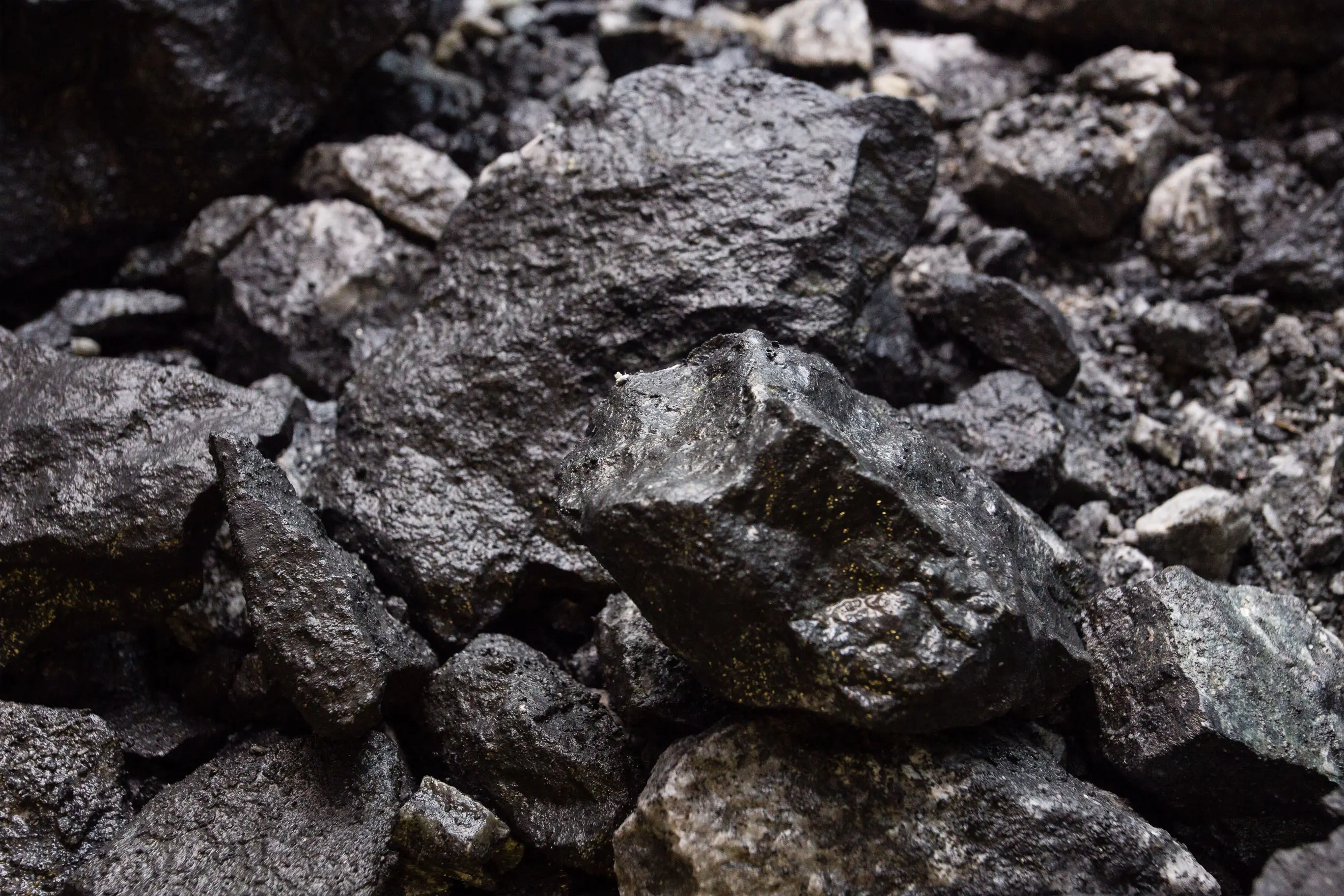
Iron is a naturally occurring metallic element extracted primarily from iron ore. In its pure form, iron is relatively soft and has limited structural application.
Commercially, iron is generally categorized into several forms:
Pig iron is the intermediate product produced from iron ore in a blast furnace. It contains high carbon content (typically 3–4%) and is brittle. Pig iron is mainly used as a raw material for steelmaking and cast iron production.
Cast iron contains higher carbon content than steel, usually above 2%. It offers:
However, cast iron is relatively brittle and performs poorly under tensile stress.
Common applications include:
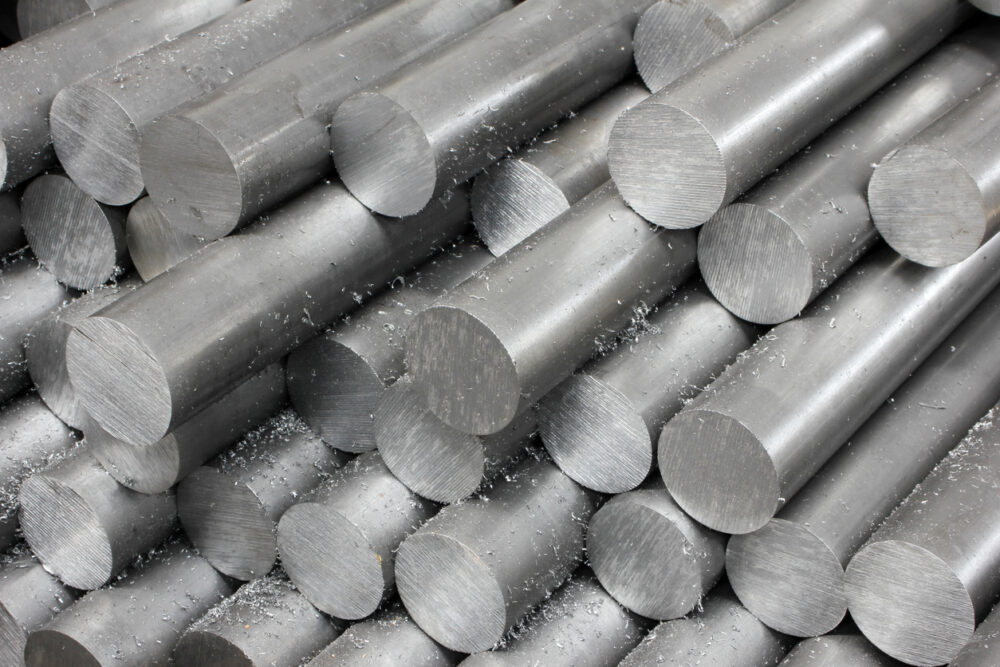
Steel is an alloy primarily made from iron combined with controlled amounts of carbon and other alloying elements.
Unlike pure iron, steel is engineered to achieve specific mechanical properties such as:
Carbon content in steel is usually below 2%, allowing the material to maintain strength while remaining workable.
Modern steel production also incorporates alloying elements such as:
These additions improve performance for different industrial applications.
The primary difference lies in carbon content and material engineering.
| Property | Iron | Steel |
| Composition | Natural metallic element | Iron alloy with controlled carbon |
| Carbon Content | Often higher or uncontrolled | Typically below 2% |
| Strength | Lower tensile strength | Higher structural strength |
| Brittleness | More brittle (especially cast iron) | More ductile and versatile |
| Weldability | Limited | Generally good |
| Industrial Use | Casting and raw material | Structural and manufacturing applications |
In simple terms:
Iron is the base material. Steel is the engineered material.
Why Steel Became the Dominant Industrial Material
The Industrial Revolution accelerated the transition from iron to steel because steel offered superior mechanical performance and consistency.
Today, steel dominates modern infrastructure because it provides:
This is particularly important in:
Thailand’s manufacturing economy heavily depends on steel due to its role in automotive production, appliances, fabrication, and industrial construction.
Steel Production Pathways
Modern steel is primarily produced through two routes:
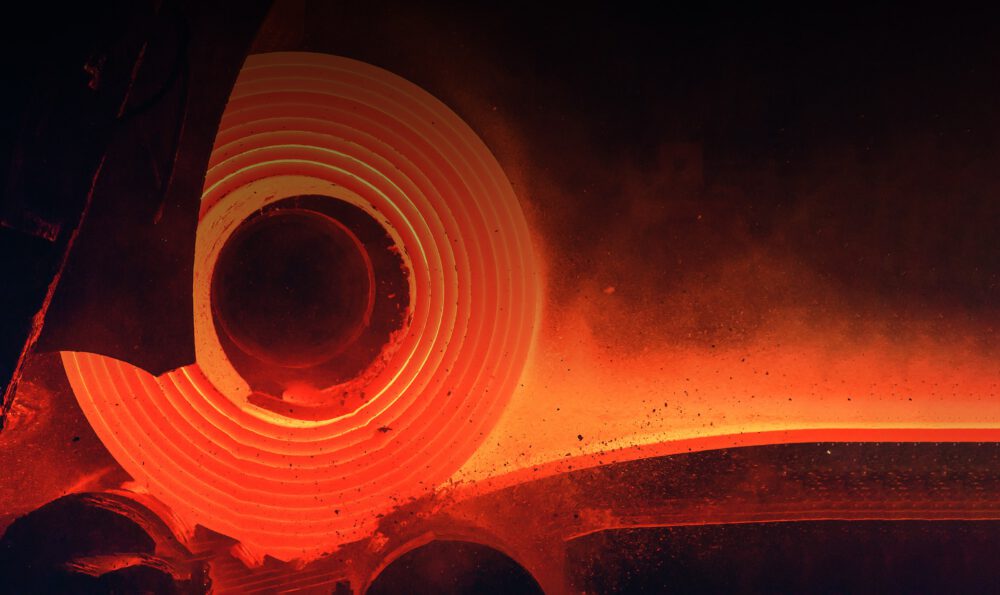
BF–BOF (Blast Furnace – Basic Oxygen Furnace)
This route converts iron ore into molten iron before refining it into steel.
Characteristics:
EAF (Electric Arc Furnace)
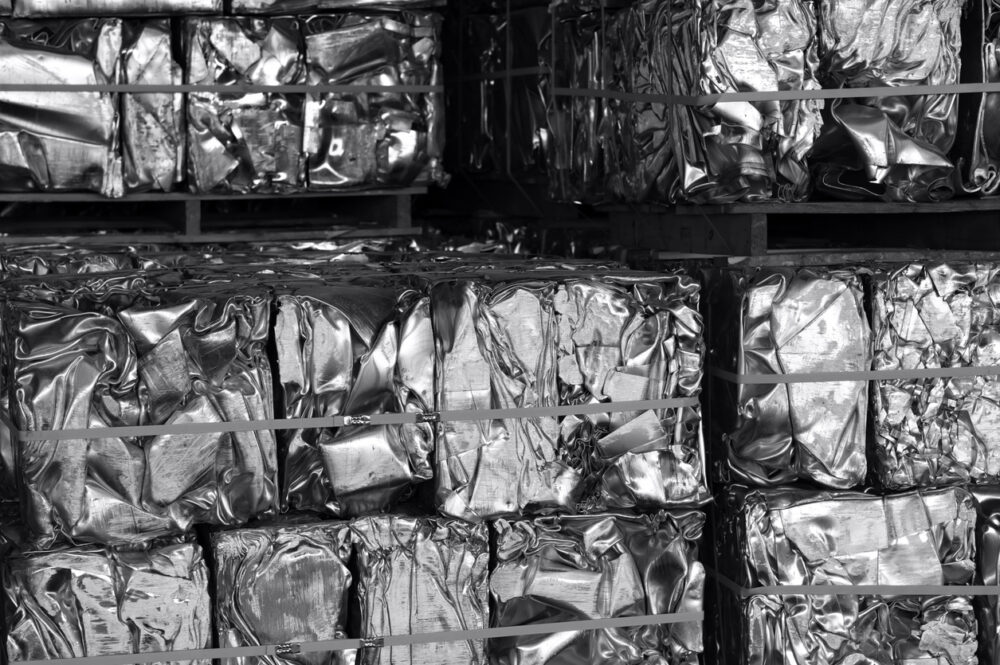
This route melts scrap steel and/or direct reduced iron (DRI) using electricity.
Characteristics:
Globally, EAF production continues growing due to decarbonization pressure and recycling demand (International Energy Agency, 2020).
Why the Difference Matters in Thailand
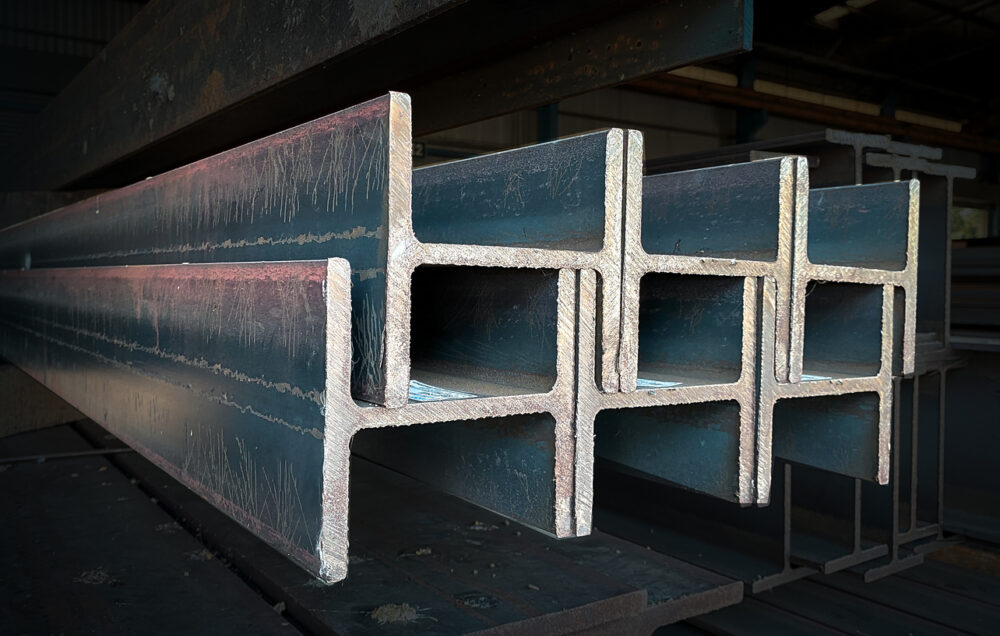
In Thailand’s market, some buyers still use the term “iron” when referring to structural steel products. However, engineering specifications often require precise steel grades and standards.
For example:
These are steel products—not pure iron products.
Incorrect terminology can lead to:
Thailand’s updated industrial standards increasingly focus on certified steel products rather than generic “iron” materials.
Standards such as:
require compliance for structural steel applications under regulated projects (Thai Industrial Standards Institute, 2024).
This makes material traceability and steel grade verification increasingly important.
Steel provides significantly better tensile performance than cast iron, making it more suitable for modern structural applications.
Using incorrect material types may compromise:
For infrastructure and industrial projects, material selection directly affects operational safety.
The Growing Importance of Steel Knowledge
As Thailand’s industrial sector becomes more technical, customers increasingly evaluate suppliers based on:
This trend is especially visible in:
Steel is no longer viewed purely as a commodity. It is increasingly treated as an engineered material requiring technical understanding and quality assurance.
Industry Outlook
The global steel industry is entering a period where quality, traceability, and sustainability are becoming as important as price competitiveness.
At the same time:
For Thailand’s steel sector, companies that combine technical expertise with reliable sourcing and regulatory readiness will gain stronger long-term positioning.
Understanding the distinction between iron and steel is therefore not merely academic—it is fundamental to modern industrial decision-making.
Conclusion
Iron and steel may appear similar, but they serve very different roles in modern industry.
Iron is the raw foundation, while steel is the engineered material that supports today’s infrastructure, manufacturing, and industrial systems.
As Thailand’s market becomes increasingly specification-driven, understanding this distinction helps manufacturers, contractors, and buyers make more informed decisions regarding:
In 2026 and beyond, technical knowledge will continue becoming a competitive advantage across the steel supply chain.
References (APA)
International Energy Agency. (2020). Iron and steel technology roadmap: Towards more sustainable steelmaking.
Thai Industrial Standards Institute. (2024). TIS 1479-2566: Hot rolled flat steel for general structure.
Thai Industrial Standards Institute. (2023). TIS 107-2566: Carbon steel tubes for general structure.
World Steel Association. (2025). World steel in figures 2025.