







Steelmaking Pathways Compared: CO₂ Reduction, Energy Exposure, and Operational Benefits vs BF–BOF
Jan 2, 2026
Two downstream steel product families dominate:

Flat steel demand is driven mainly by:
These sectors can be highly sensitive to exports, FX, and trade policy.
Long steel demand is driven mainly by:
Long products are typically more sensitive to government budgets, project pipelines, and interest rates.
Worldsteel’s sectoral breakdown provides a practical map of downstream demand drivers:
Why this matters: Because construction is over half of global steel use, long products remain closely tied to construction cycles. Meanwhile, the combined manufacturing sectors (autos + machinery + metal products) keep flat products sensitive to industrial output and trade conditions.
Worldsteel’s Short Range Outlook (Oct 2025) forecasts:
Selected 2026 demand forecasts (finished steel):
When supply runs ahead of domestic demand, exports rise and policy reactions follow. Reuters reported China’s steel exports were poised for record highs in 2025 and that the export surge has triggered a wave of trade actions globally.
Worldsteel expects continued demand decline in 2026.
S&P Global reporting has emphasized that manufacturing demand can remain steadier than construction, but construction weakness remains the major drag—important for long-product demand.
Section 232: The White House announced an increase in steel and aluminum tariffs to 50% effective June 4, 2025 for most partners (with the UK treated differently).
Other barriers (including for China and Thailand): Beyond Section 232, the US frequently applies antidumping/countervailing (AD/CVD) measures. The USITC stated in 2025 that revoking existing antidumping orders on hot‑rolled steel products from multiple countries including China and Thailand would likely lead to continuation/recurrence of injury—meaning those orders remain in place.
The European Commission notes the EU’s steel safeguard measure runs to June 30, 2026 (subject to review).
Reuters reported the Commission proposed cutting tariff‑free import quotas substantially and applying a 50% duty above quota, aiming to support domestic producers.
______________________________________________________________________________________________________________
Worldsteel forecasts ASEAN‑5 demand rising to ~84.1 Mt in 2026 (+4.0%).
Thailand’s downstream demand signal is clearer when separated into product families and tracked monthly/quarterly.
Example (September 2025 consumption):
ISIT’s “Thailand Steel Outlook” also breaks down major flat items (e.g., HRC/HR sheet, CR sheet, galvanized sheet), which helps distinguish construction-driven vs manufacturing-driven movements.
Krungsri Research’s outlook (2025–2027) similarly supports the view that:
______________________________________________________________________________________________________________
Thailand’s standards are increasingly important as quality, safety, and procurement compliance filters—especially for construction and structural applications.
TISI’s published standard document defines requirements for “hot rolled flat steel for general structure.”
A WTO TBT notification addendum indicates the ministerial regulation linked to this standard would enter into force on 24 December 2025.
Downstream implication: structural flat products (used in fabricated structures, buildings, and general construction) will require stronger documentation and conformance to updated requirements, which affects sourcing and lead times.
TIS 107 covers carbon steel tubes used for engineering, architectural, and general structural purposes—typically round, square, and rectangular hollow sections. Thailand notified the WTO in 2025 of a draft ministerial regulation that would mandate carbon steel tubes for general structure to conform to TIS 107‑2566 (2023), with entry into force proposed after 90 days following publication in the Government Gazette. (web.wtocenter.org.tw)
Separately, Krungsri Research notes a key practical change in the updated TIS 107‑2566 standard:
Downstream implication: these changes tighten compliance expectations for steel tube supply (including smaller sizes), increasing the importance of certified mills, traceability, and complete documentation—especially for projects tied to public procurement requirements. (Krungsri)
_____________________________________________________________________________________________________________
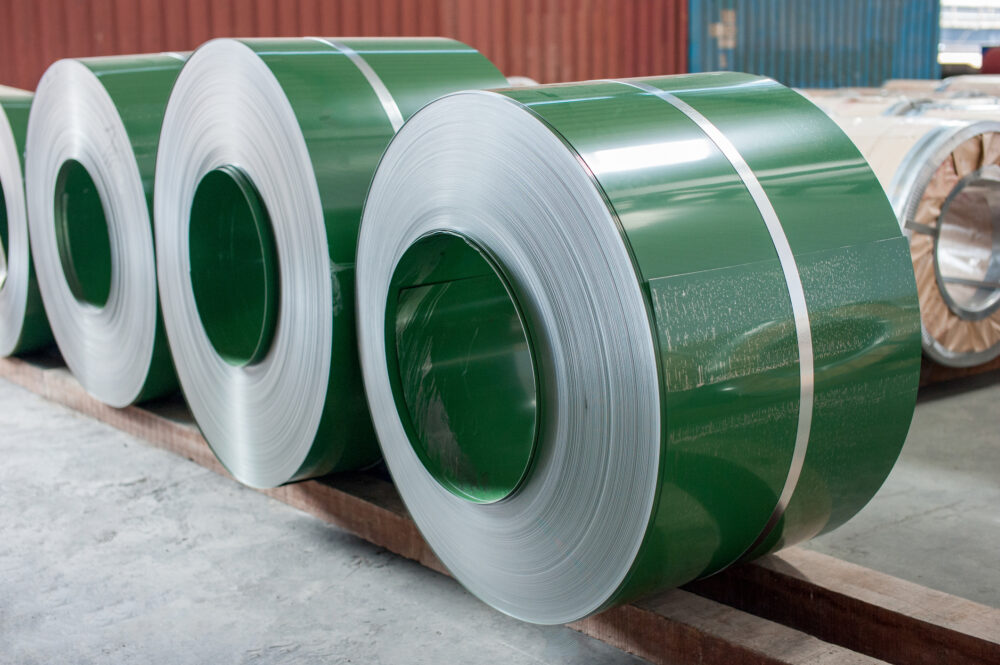
Flat products (HRC/CRC/coated/plate):
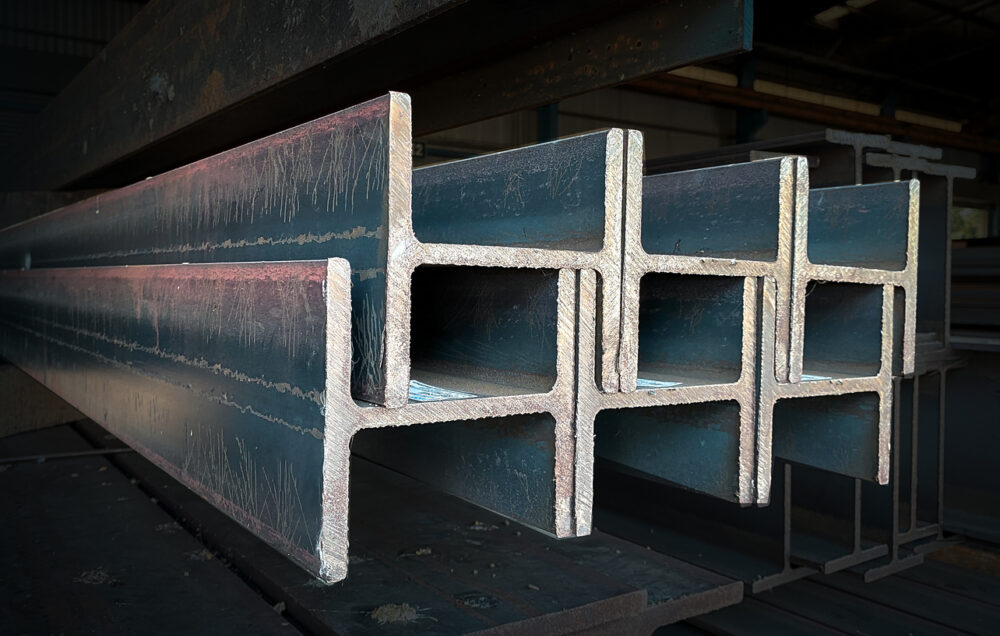
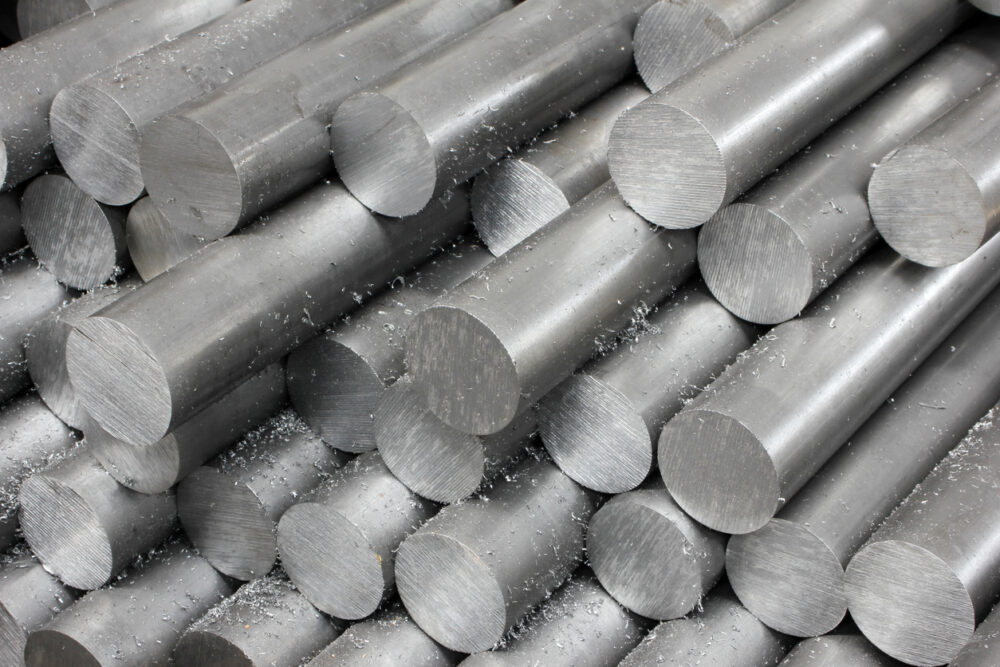
Long products (rebar/sections/wire rod):

______________________________________________________________________________________________________________
______________________________________________________________________________________________________________
Bank of Ayudhya (Krungsri Research). (2025). Thailand industry outlook 2025–2027: Steel and steel products.
European Commission. (2024, June 25). EU prolongs steel safeguard measure until June 2026.
Iron and Steel Institute of Thailand. (2025). Thailand Steel Outlook: September 2025.
Reuters. (2025, September 16). China steel exports poised for record high, risking further tariff backlash.
Reuters. (2025, October 7). EU to halve steel import quotas to revive domestic industry.
The White House. (2025, June 3). Adjusting imports of aluminum and steel into the United States (Proclamation; raises steel and aluminum tariffs effective June 4, 2025).
U.S. International Trade Commission. (2025, September 3). USITC makes determinations in five-year (sunset) reviews concerning hot-rolled steel products from China, India, Indonesia, Taiwan, Thailand, and Ukraine.
World Steel Association. (2025). World Steel in Figures 2025 (steel use by sector).
World Steel Association. (2025, October). Short Range Outlook: October 2025 (global and regional steel demand forecasts to 2026).
World Trade Organization. (2025, August 20). G/TBT/N/THA/787: Draft regulation mandating carbon steel tubes for general structure to conform to TIS 107‑2566 (2023). (web.wtocenter.org.tw)
Thai Industrial Standards Institute. (2024). TIS 1479‑2566: Hot rolled flat steel for general structure (standard document).
World Trade Organization. (2025, July 8). TBT notification addendum: Ministerial regulation referencing TIS 1479‑2566; entry into force 24 December 2025.
Bank of Ayudhya (Krungsri Research). (2025). Thailand industry outlook summary 2025–2027 (Construction section: TIS 107‑2566 effective date and scope change). (Krungsri)