





Understanding Thai Steel Standards: What Customers Should Know Before Purchasing Steel in Thailand
Mar 18, 2026
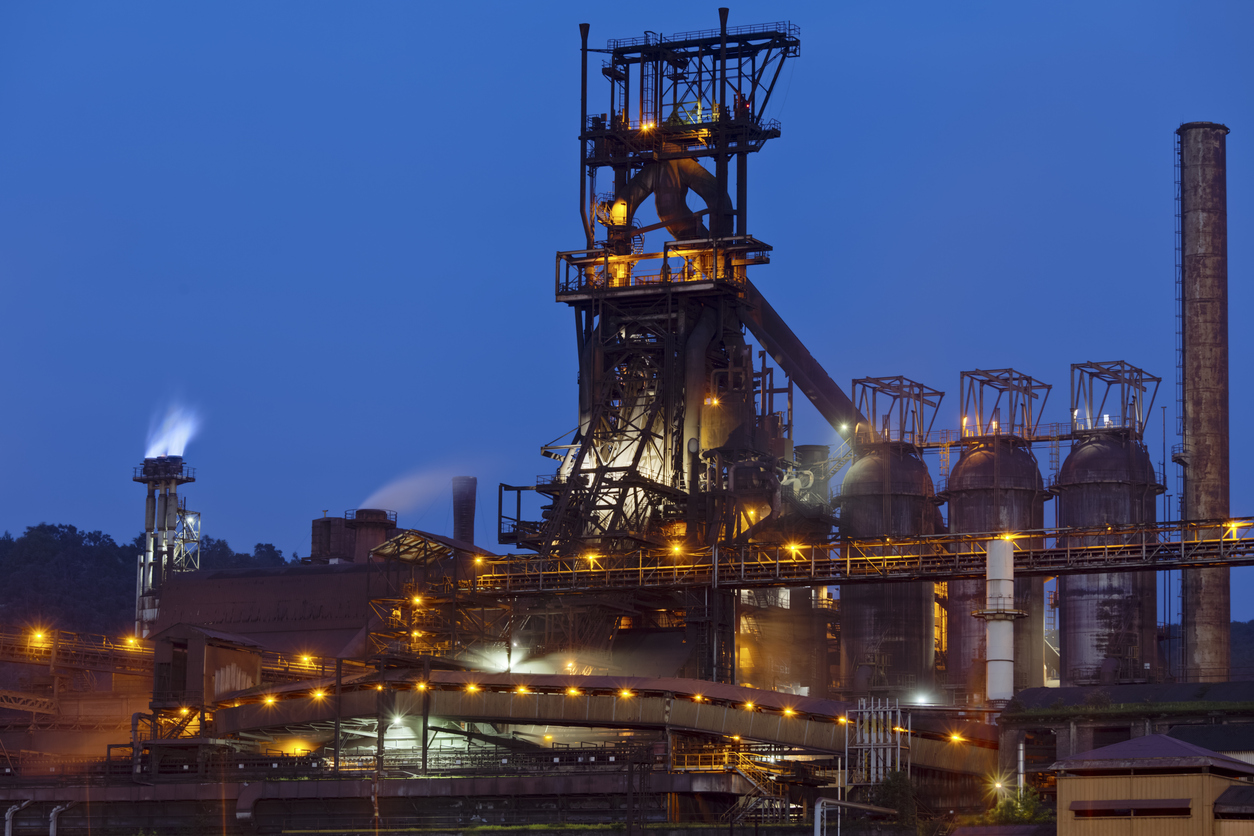
Most steel is produced via two routes:
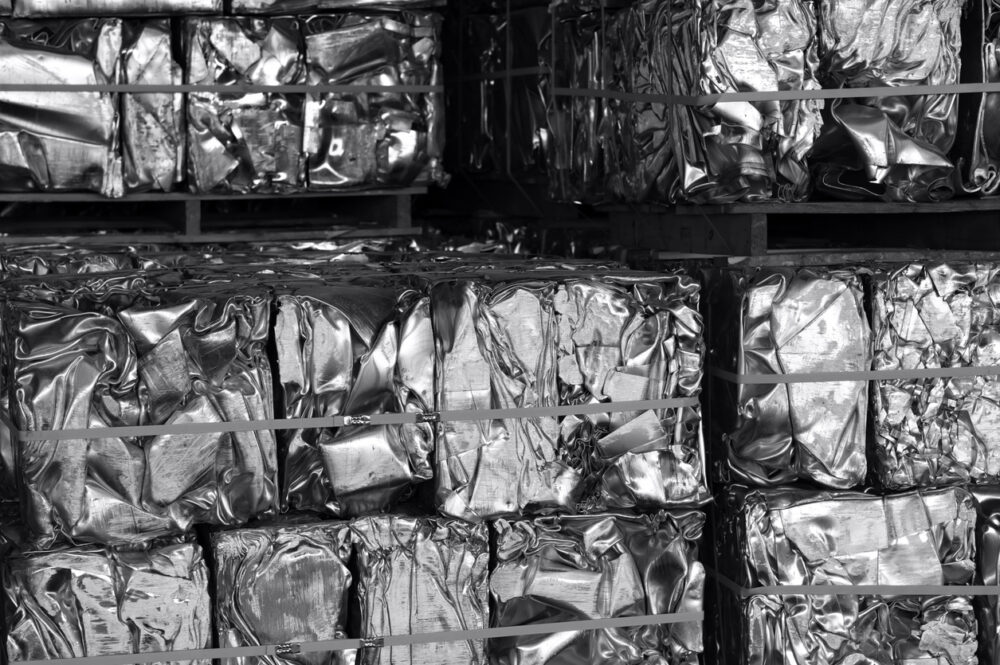
Recycling is essential, but not unlimited. Scrap supply depends on the age of steel already in use (Pauliuk et al., 2013), and quality can be constrained by “tramp” elements such as copper that are difficult to remove once mixed into steel (Daehn et al., 2017). Many roadmaps therefore pair EAF growth with DRI—often gas‑based today and hydrogen‑ready for the future (Hasanbeigi et al., 2014; Vogl et al., 2018). Alongside new technology, material efficiency—using less steel for the same service through better design, longer lifetimes, and reuse—reduces pressure on primary production (Allwood et al., 2011).
Policy signals are spreading. Thailand, for example, approved a carbon tax of 200 baht per ton of emissions (implemented through the oil excise tax structure) (Reuters, 2025).
______________________________________________________________________________________________________________
Carbon‑linked trade rules are now a practical steelmaking issue:
______________________________________________________________________________________________________________
The “next steel” toolkit is increasingly modular (Fischedick et al., 2014; Rootzén & Johnsson, 2016):
What major players are signaling:
Practical checklist for sourcing steel in 2026 (what we look for with customers):
Steelmaking is moving toward “quality + proof.” Suppliers that can deliver metallurgical performance and auditable documentation (route, chemistry, embedded emissions) will be best positioned. We stay at the forefront by tracking technology roadmaps and trade requirements, then translating them into reliable supply options and clear data for customers.
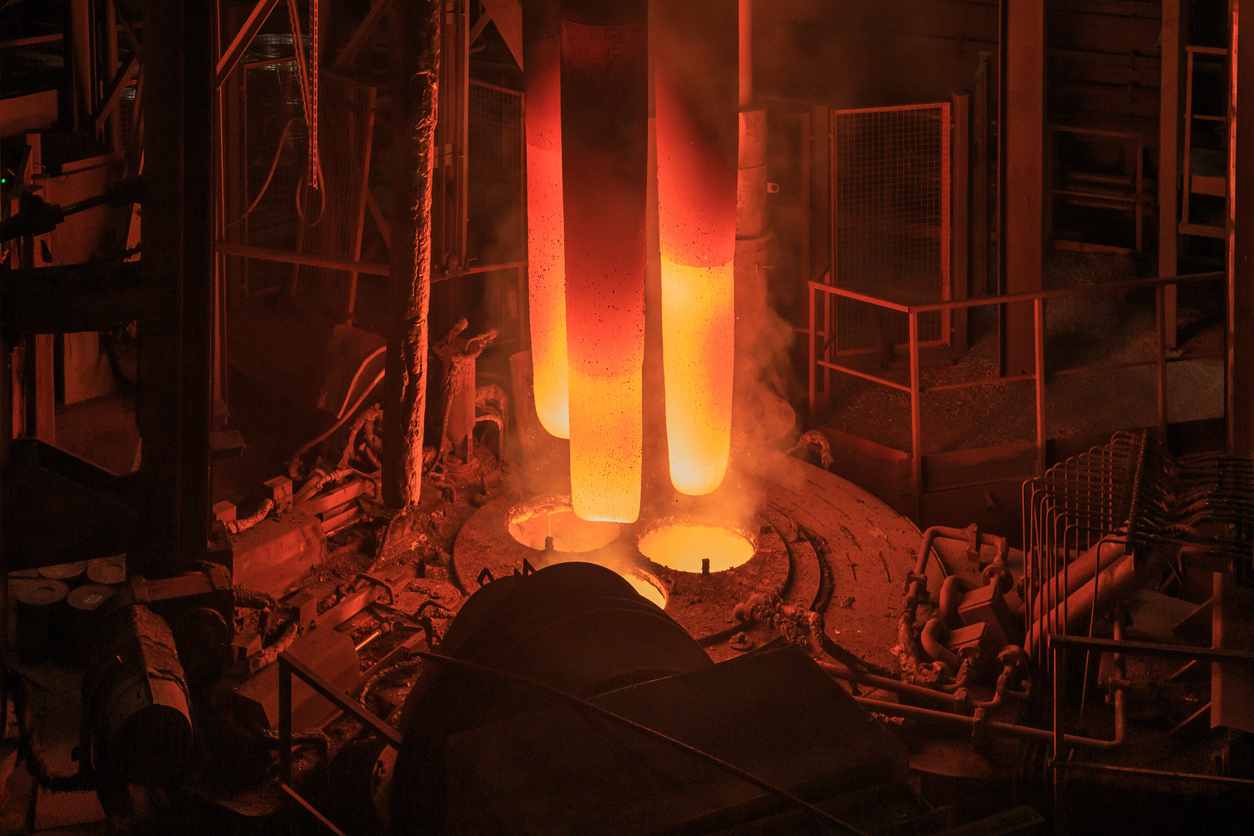
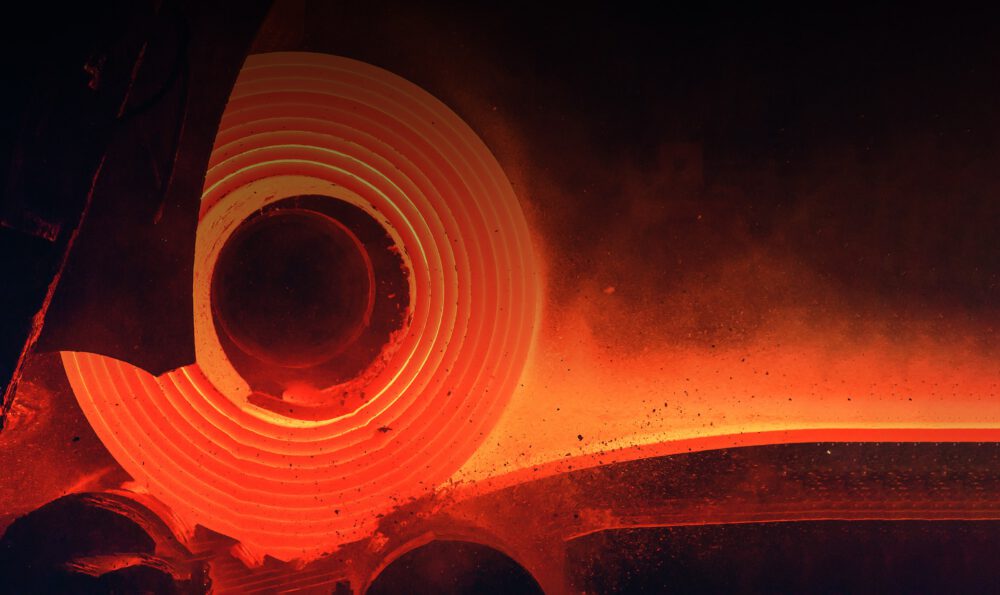
Hot red graphite electrodes in steel mill workshop. Electric arc furnace area at iron foundry.
______________________________________________________________________________________________________________
______________________________________________________________________________________________________________
Allwood, J. M., Ashby, M. F., Gutowski, T. G., & Worrell, E. (2011). Material efficiency: A white paper. Resources, Conservation and Recycling, 55(3), 362–381.
ArcelorMittal. (2024, November 26). ArcelorMittal provides update on its European decarbonization plans [Press release].
BHP. (2025, May 11). BHP and China Baowu celebrated successful commercial-scale DRI trials using BHP’s Pilbara iron ores [Company news release].
Daehn, K. E., Cabrera Serrenho, A., & Allwood, J. M. (2017). How will copper contamination constrain future global steel recycling? Environmental Science & Technology, 51(11), 6599–6606.
European Commission, Directorate-General for Taxation and Customs Union. (2025, December 23). Reminder: CBAM goes live on 1 January 2026 [News article].
European Parliament and Council of the European Union. (2025, October 17). Regulation (EU) 2025/2083 amending Regulation (EU) 2023/956 as regards simplifying and strengthening the carbon border adjustment mechanism. Official Journal of the European Union.
Fischedick, M., Marzinkowski, J., Winzer, P., & Weigel, M. (2014). Techno-economic evaluation of innovative steel production technologies. Journal of Cleaner Production, 84, 563–580.
Hasanbeigi, A., Arens, M., & Price, L. (2014). Alternative emerging ironmaking technologies for energy-efficiency and CO₂ emissions reduction: A technical review. Renewable and Sustainable Energy Reviews, 33, 645–658.
HM Treasury. (2025, November 28). Factsheet: Carbon border adjustment mechanism (CBAM) [Policy paper].
International Energy Agency. (2023, April 4). Emissions measurement and data collection for a net zero steel industry [Report].
Nippon Steel Corporation. (2024, September 2). Carbon Neutral Vision of Nippon Steel [Presentation].
Pauliuk, S., Milford, R. L., Müller, D. B., & Allwood, J. M. (2013). The steel scrap age. Environmental Science & Technology, 47(7), 3448–3454.
POSCO. (2025, October 29). From CCUS to HyREX: The full lineup of POSCO Group’s decarbonization strategies for a sustainable steel industry [Newsroom article].
Reuters. (2025, January 21). Thai cabinet approves collection of carbon tax. Reuters.
Rio Tinto. (2024, November 15). Rio Tinto and GravitHy join forces to accelerate the decarbonisation of steelmaking in Europe [Press release].
Rootzén, J., & Johnsson, F. (2016). Managing the costs of CO₂ abatement in the steel industry. Energy Policy, 98, 459–469.
Tonomura, S., Kikuchi, N., Ishiwata, N., Tomisaki, S., & Tomita, Y. (2016). Concept and current state of CO₂ ultimate reduction in the steelmaking process (COURSE50) aimed at sustainability in the Japanese steel industry. Journal of Sustainable Metallurgy, 2, 191–199.
Vale. (2023, August 31). Vale begins load tests in the first iron ore briquette plant in Brazil [Press release].
Vogl, V., Åhman, M., & Nilsson, L. J. (2018). Assessment of hydrogen direct reduction for fossil-free steelmaking. Journal of Cleaner Production, 203, 736–745.
Wang, P., Ryberg, M., Yang, Y., Feng, K., Kara, S., Hauschild, M., & Chen, W.-Q. (2021). Efficiency stagnation in global steel production urges joint supply- and demand-side mitigation efforts. Nature Communications, 12, 2066.